

Independent living with solar power from SOLARA, even in the wilderness
Solar systems for off-road motorhomes, all-wheel drive campers, expedition vehicles
- Always ready with the OBD2 solar module
- Solar Pothole Rodeo 2018 – Experience Report
- Self-build with SOLARA Vision modules
- Free and mobile with a solar system from SOLARA for your off-road experience
- Mobile solar panel for campers – its use explained simply
- An interview with SOLARA about the use of solar modules for off-road motorhomes
Always ready with the OBD2 solar module!

Pothole Rodeo 2018 – Solar power from Austria to the Black Sea and back to the Adriatic Sea
A road trip from Austria in a VW bus with solar panels on the roof, through Hungary, the Carpathian Mountains, and Moldova to the Black Sea. The return journey went via Bulgaria, Macedonia, Albania, Montenegro, and Bosnia, ending in Split.

On Saturday, July 7.7.2018, 1, after a long period of preparation, the day finally arrived: We set off in our orange VW T3 "Bulliver" (built in 1982, 50 hp, top speed: 90 km/h downhill) from Shopping City Seiersberg in Graz, Austria, simultaneously with 150 other junk car teams, embarking on our Balkan adventure, "Pothole Rodeo." The destination of our first leg was Novi Sad, the second largest city in Serbia. We crossed Hungary towards Croatia, and after a short transit, headed for Serbia. We were thoroughly searched at the Serbian border, but reached Novi Sad without any problems in the evening. The Danube metropolis greeted us with overcast skies and rain, so we ended the evening with a pleasant dinner.
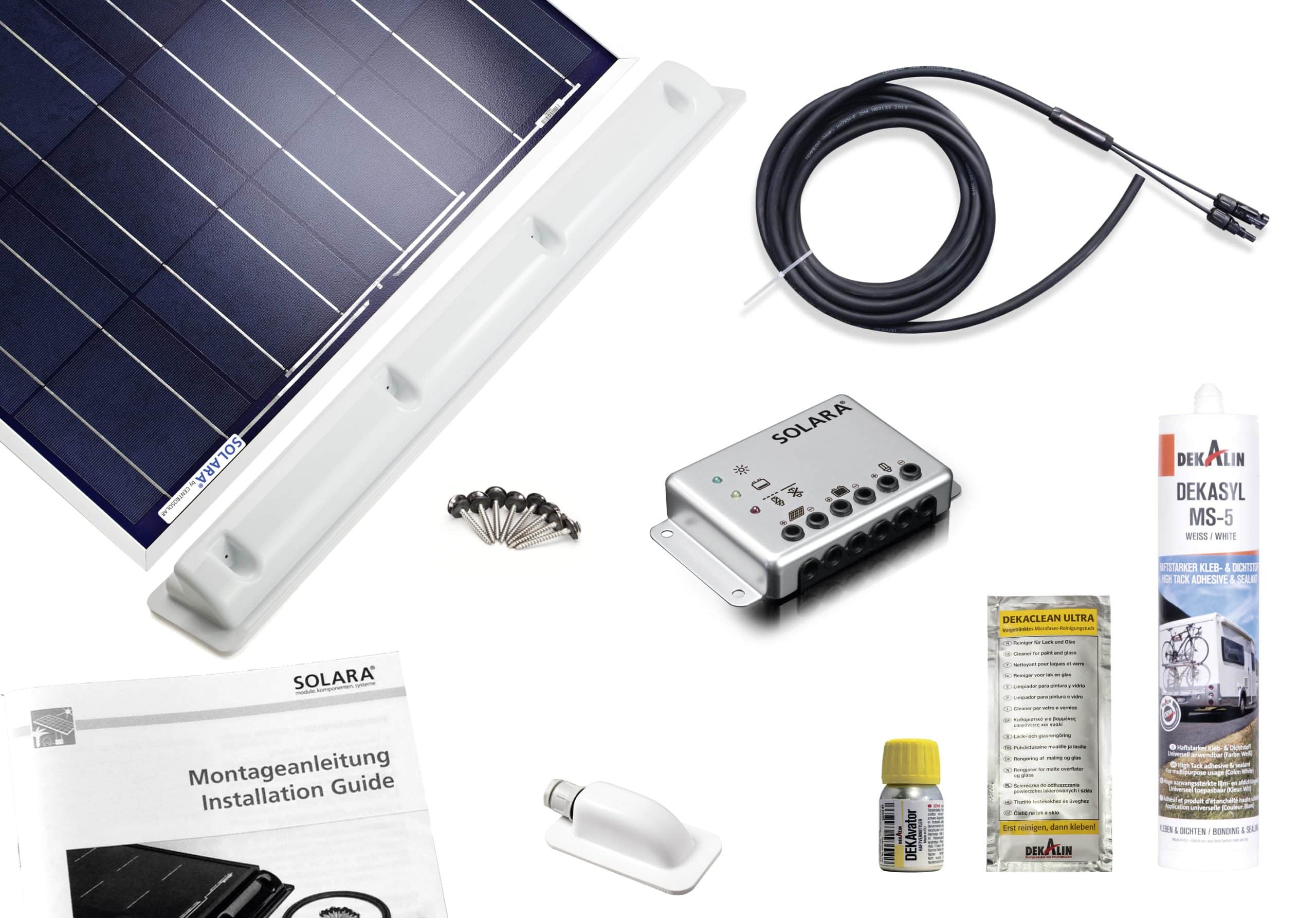
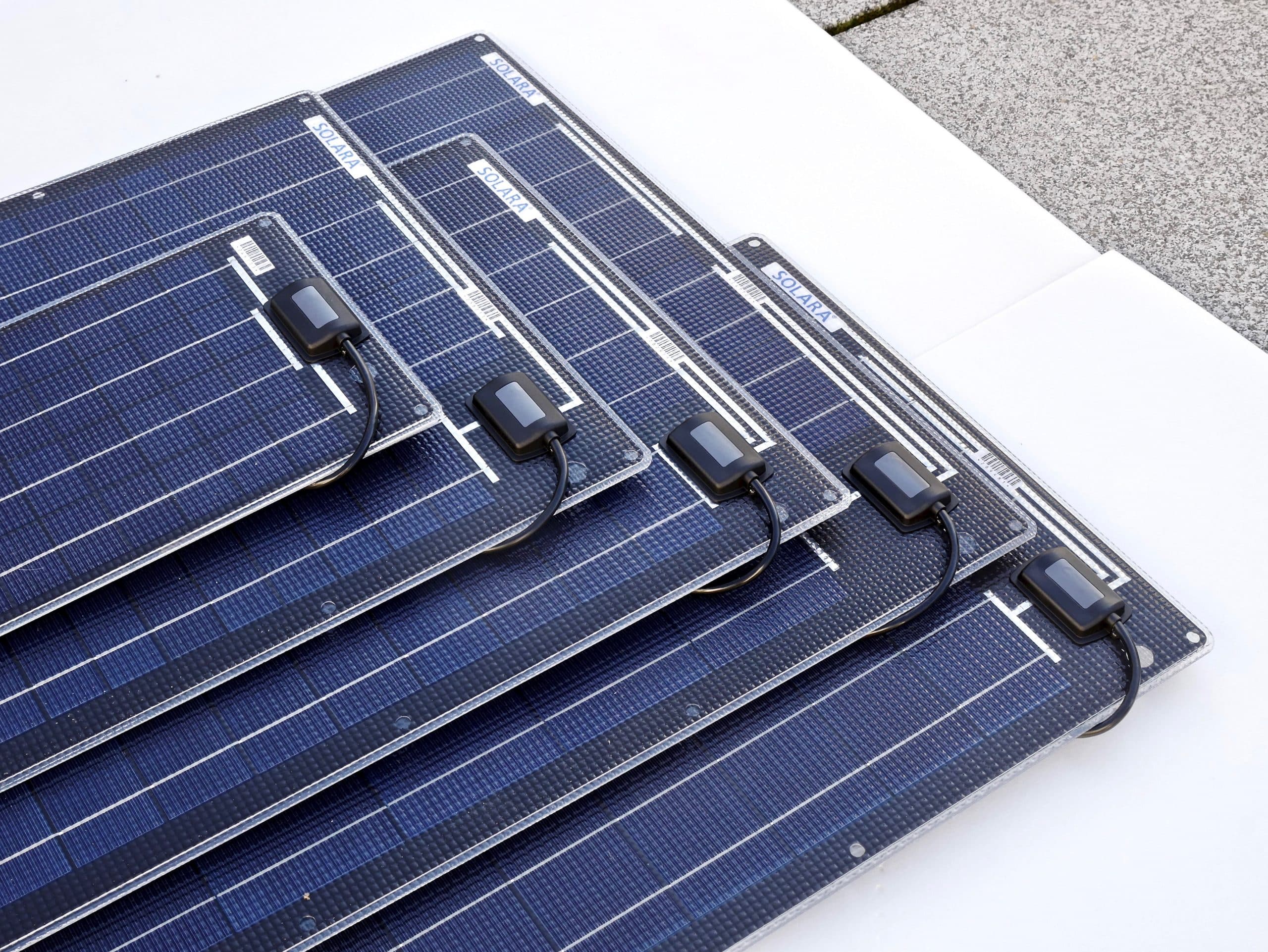
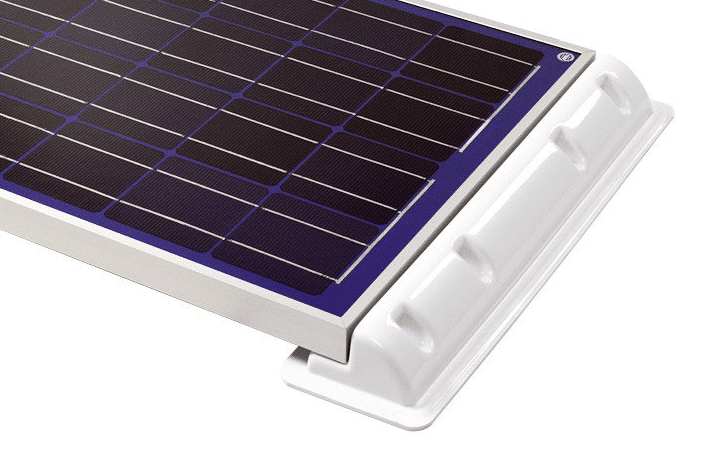
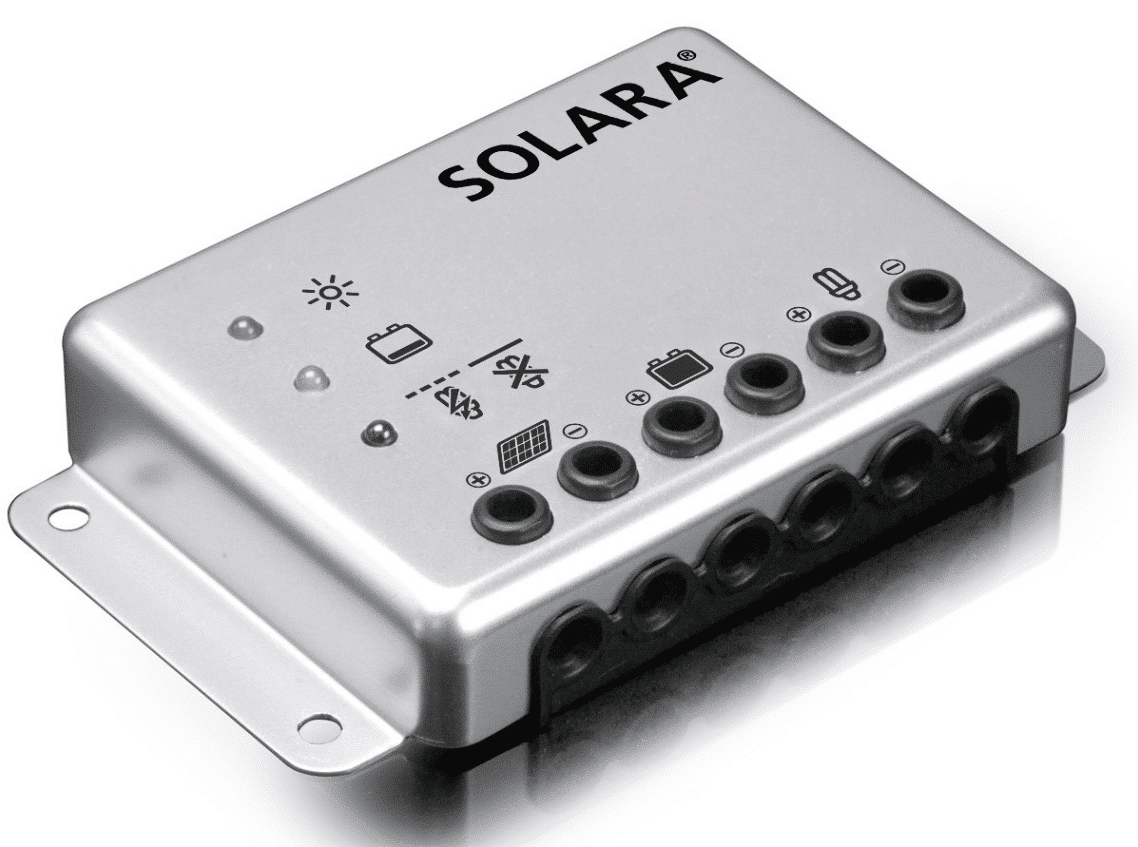
Solar power makes it possible to have sufficient electricity even when you're on the go. Always have fully charged batteries, even far from home, thanks to a solar system. A solar panel charges the battery with a charge controller from SOLARA, even under the harshest conditions.
 The second day started early: We tried to finish the first day's challenge (determining the engine displacement of all 150 participating team vehicles) in a rush and handed our results to the judge, who immediately presented us with the challenge for our second leg: In an envelope, we received 3 Romanian Leu (approx. €0,60). Our task was to obtain as many different fruits as possible from our trusted fruit and/or vegetable vendor. We set off northeast. Shortly after Timisoara, torrential rain suddenly began, and it wasn't long before a Romanian car in front of us completely wrecked. When we stopped to help, our VW bus showed its first signs of trouble: Due to the overload (blower, windshield wipers, hazard lights, etc.), the fan belt gave out, and we had to limp onto the hard shoulder. In heavy rain, we changed the rudder and continued to the next place where we could stop to dry off. Due to the time lost and the long distance still ahead, we chose the shortest route from there. Sighisoara (or Schäßburg) is the birthplace of Count Dracula and a romantically winding little town that we'll definitely be returning to. :)
 Day 3 of our Balkan adventure began with rain. We set off towards Moldova, only to be greeted by some truly Moldovan potholes after a long wait at the border. Exactly what we had imagined the Balkans to be! ;) The day dragged on, as we (day challenge 3) delivered school supplies and toys to a childcare facility run by the organization ora. The joy of the caregivers, however, quickly made up for all the potholes. :) We arrived in Chisinau late in the evening and unfortunately only saw the Moldovan capital at night.
Solar systems with top test results provide power on the go. Mobile technology for charged batteries. Charge with solar power without a grid connection. A solar panel is easy to install and charges the battery with a charge controller from SOLARA.
 Based on our latest observations regarding the quality of Moldovan roads, we planned our fourth leg so that we would take the shortest route back west to reach the good old Romanian country roads. We overtook countless families in horse-drawn carts, all of whom waved to us and were delighted when we wanted to take their picture. In the early evening, we finally reached the Black Sea, or more precisely, Constanta, our easternmost destination in these eight days, where we immediately plunged into the cold water. That evening, we dutifully fulfilled our daily challenge – drinking with locals – and were treated to several regional spirits by our new Romanian friends. ;)
We've always had solar power. Our solar system, designed for extreme travel, has achieved top test results, providing power on the go. Mobile solar technology has always ensured charged batteries. Charging with a solar panel is fantastic!
 The final stage on day 8 finally took us through Bosnia to the beautiful Croatian city of Split, where we crossed the finish line and received our certificates.
The longest leg of our journey, at 750 kilometers, was finally our return home to beautiful Upper Austria.
Following the motto "Slow but steady," we were never the first to reach the finish lines, but the other teams were always happy to finally see our orange VW bus crawling up the mountain. ;) But: It's a rally, not a race.
Our conclusion: A fantastic adventure holiday with incredible experiences, places, and people! And who knows, maybe we'll be back next year when the search for Europe's last potholes continues… :)
Warm greetings from Team #106 Bullivers Reisen!
Lukas, Stefanie, Christian and Daniel
Self-build with SOLARA Vision modules
Ulrich Dolde owns an off-road camper and has expanded his solar capacity with SOLARA Vision modules. In his blog , he explains how he removed the old modules himself and installed the new SOLARA Vision modules on his roof!
Free and mobile with a solar system from SOLARA for your off-road experience

Traveling in your off-road campervan, you can let yourself drift and drive wherever you want. Even if you're in the deepest wilderness with your 4x4 camper, without any access to electricity, you don't have to forgo the comfort of a reliable power supply thanks to the SOLARA solar power system or your photovoltaic system. Your evening drink, whether beer or white wine, is guaranteed to be perfectly chilled – the solar panels on the roof of your expedition vehicle or off-road campervan ensure that.
With our SOLARA solar system for motorhomes, campers, and more, you receive
- Proven solar technology for over 20 years – Made in Germany
- Top material quality – excellent workmanship – with long-term guarantees
- Particularly high power yields, e.g. with back-contact high-tech solar cells with optimal low-light performance (even in diffuse light)
- Solar system tested under the toughest conditions and passed every test!
- Suitable charge controllers and inverters from premium manufacturers with a 5-year warranty
- Service whenever you need us – put us to the test!
Mobile solar panel for campers – its use explained simply
Bernhard Reitmeier: “When I first saw it in the Freistaat camping shop in Sulzemoos, I immediately knew how useful this solar module is.”


Bernhard Reitmeier tested a solar module and created a short and a slightly longer explanatory video about the mobile DCsolar Power Move solar module. These two videos explain the use, advantages, and applications of the mobile solar system in a way that is easy for everyone to understand. DCsolar is a brand of SOLARA GmbH.
Short explanatory video about the use of the mobile solar module “Power Move”
Detailed explanation of the use of the mobile solar module “Power Move”